Let’s talk about that data center
If you are here because you think I’m anti-development, or that I just fought the data center because it was a mile and a half from my house, please see the main arguments against it below. I hope you find them well-reasoned and researched. If you’re still not convinced, I’d welcome the opportunity to discuss my position with you. And even if you disagree with my conclusions, use this as an example of the depth of analysis I will give to proposals submitted for vote to the Board.
Long-term problems
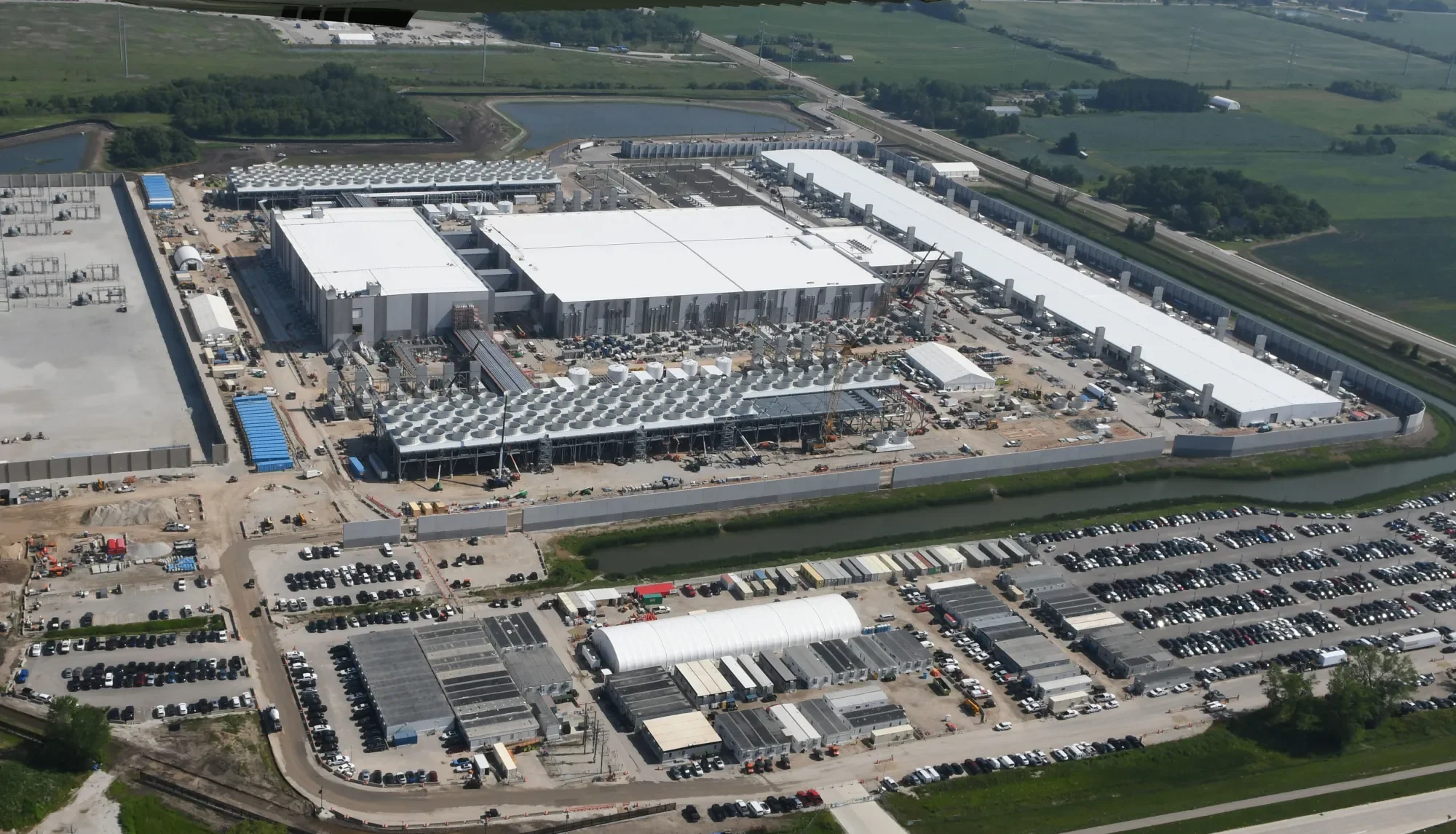
Data centers are purpose-built, uniquely designed for their power and cooling requirements. This picture looks nothing like a run of the mill commercial office building or warehouse.
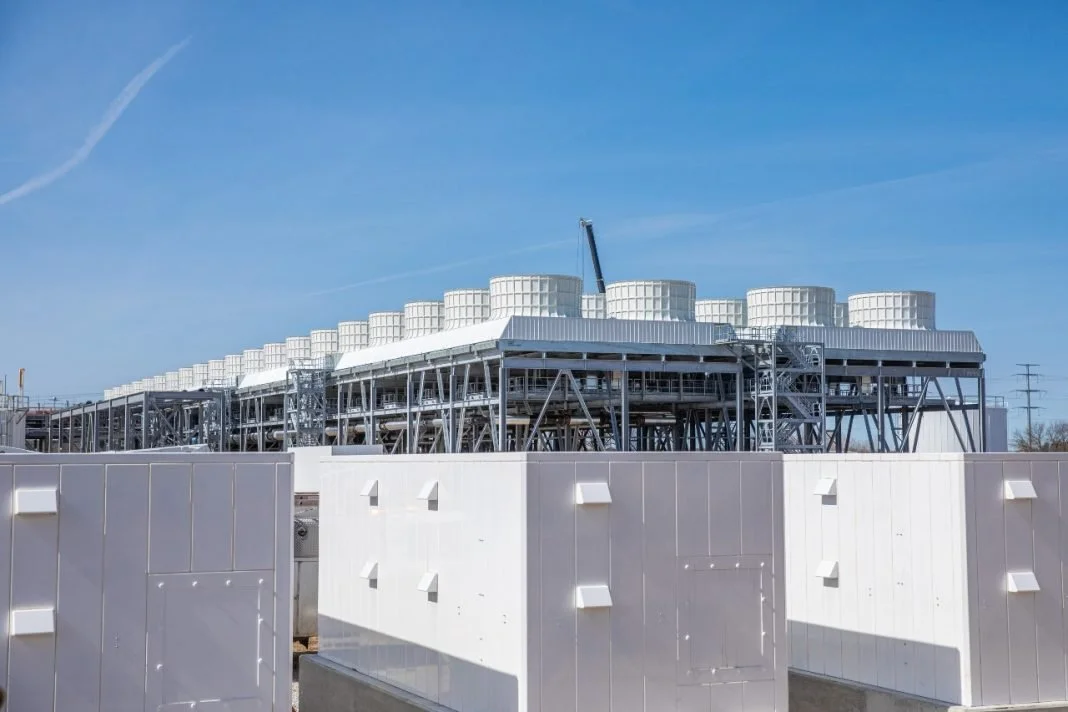
Medium-term problems
Size mismatches in business relationships are dangerous. A village of 25,000 people and a meager $100K in annual legal budget stands no chance in negotiations with the 14th largest corporation in the U.S.
Villages and cities pursue commercial development to broaden the tax base. This one deal would have concentrated our tax base in a single customer. 7-10% of our tax revenue from one company gives that one company outsized influence on our village and creates major risk of changes to valuation as in the obsolescence example above.
Many in the technology industry believe that artificial intelligence (AI) is in a dotcom-like bubble. The gold rush is on for building data centers, but no company has yet produced profits from AI that would justify the expense. If you recall from the dotcom boom, companies failed in 2000 because they had no business model. No one had figured out how to charge people for using products/services over the Internet. Their venture capital eventually ran out and companies failed. Data centers supporting them then failed as well. When this bubble bursts, no one can predict the impact but it is safe to say that the small towns with under construction or completed data center campuses will have a problem and will be at the mercy of large corporations reacting to the disruption.
Short-term problems
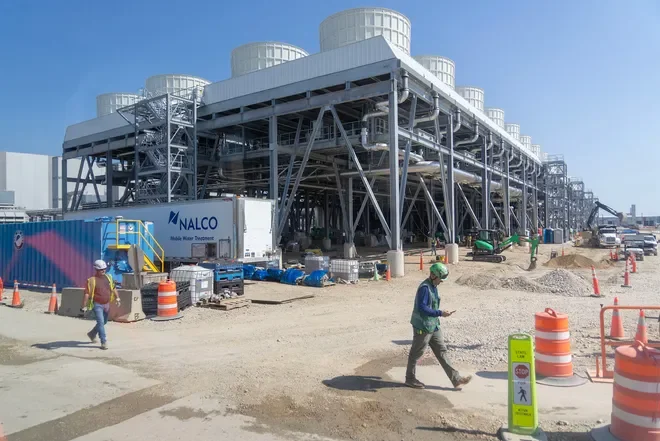
Construction drawings implied 3 buildings. Microsoft suggested consecutive build schedules at 3 years each. Caledonia had 100+ homes within a 1 mile radius of the construction site. Mount Pleasant residents shared horror stories of the disruption, noise, and pounding from the site, and Microsoft’s Caledonia plan had 10 years of construction in its plan for full buildout.
Nearby homes stood to lose significant resale value during the construction period. Losses of $50K average for the 100+ homes would have been 3-10 times more than the annual tax revenue projected in the village’s financial analysis. That is uncompensated wealth transfer from residents to a corporation. A proper plan would have kept nearby residents whole.
The village’s financial analysis was silent on costs to the village. Projects this large with corporations as large as Microsoft never come cheap. There are always added costs even though Microsoft offered to reimburse project costs. Simple research into Mount Pleasant’s expense growth since the Foxconn deal was announced raised concerns that Caledonia had not done enough analysis on cost. Substantive ongoing increases, for example with legal bills, could easily erode a significant percentage of the projected revenue benefit.
Economic impact was overstated
Data centers employ very few people. Data center managers brag about being “lights out” operations. All of the long-term employment benefit to this project would accrue out of state to companies that manufacture computer hardware and to the companies that write software that run in data centers.
Data centers do not attract neighboring businesses. 17 years after construction started in West Des Moines, Iowa, the Microsoft data center campus has nearly zero commercial or residential development within a 2 mile radius.
Data centers lifespan over the past 40 years has been 15-25 years, after which it is no longer financially viable to upgrade it to the latest technology. Hyperscale data centers are new so some might argue that this time is different, that they will last much longer. Perhaps so, but the technology industry changes rapidly and has no reverence for its past. Software, hardware, and buildings are cast aside at the earliest opportunity to move to the next big thing.
The Caledonia site chosen was a commercial development no-man’s-land. 15-25 years after construction, likely 1 million square feet of purpose-built data center buildings will lose valuation, tax revenue will crater, and the village will have the equivalent of 40 Kmarts to deal with*. Residents will be left to plug the tax revenue gap. When the Kmart closed, it’s tax revenue dropped 75%.
Only 6% of data centers in use today are older than 25 years. This technology change cycle has followed the same pattern for the last 40 years, with cycle times shortening over the last decade. Betting the village on “this time is different” or “we’ll deal with that later” is irresponsible.
*For anyone who doesn’t get that reference, Caledonia has had an empty Kmart building at 5141 Douglas Ave since 2019.
Pro data center arguments
Tax revenue between $400K and $1.5M per year for the Village
Didn’t need a TID, so revenue accrues when building 1 is done in a few years
After construction, low traffic commercial real estate neighbor
Limited demand on village services
Microsoft paying 100% of electrical and water/sewer upgrades
Final analysis
The cons outweigh the pros and it isn’t even close.
Saying no to a development proposal doesn’t make someone anti-development, it makes them anti-bad proposal.
I only ever wanted the village to engage me and our group in dialogue. I offered my own technology expertise to help them at least ask the right questions of the developer. Some board members were eager to take that help, others turned it down.
With a change for the community of this magnitude, community engagement and dialogue should have been central to the village’s plan to reach a decision.